日本交流紀行|從神戶賽事到評鑑現場的觀察與學習
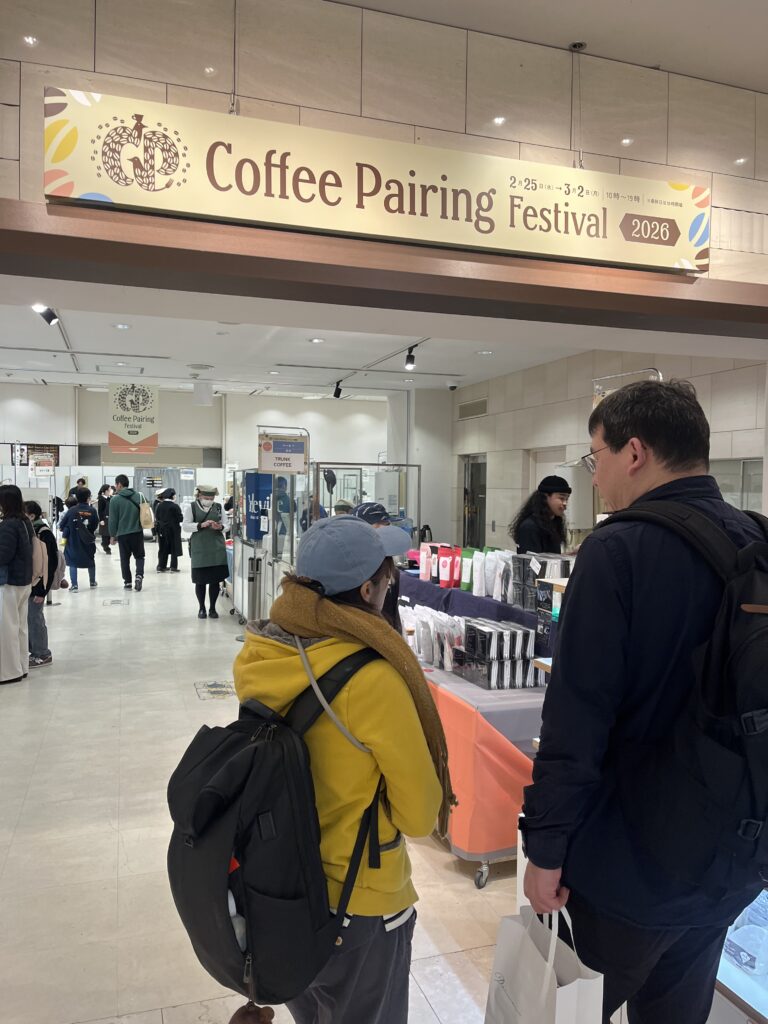
本次前往日本神戶,除了參與當地烘焙賽事的評鑑與交流之外,也有機會更深入地觀察日本在賽事運作與評審校正上的實際做法。這趟行程對我們而言,不只是一次單純的比賽參與,更像是一場難得的學習之旅。
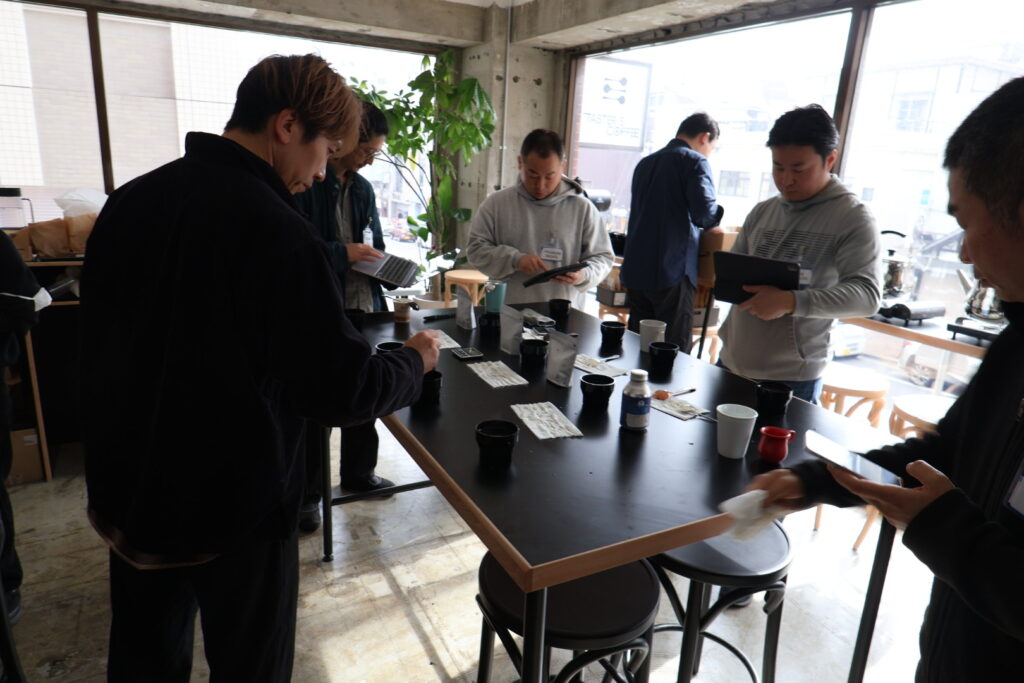
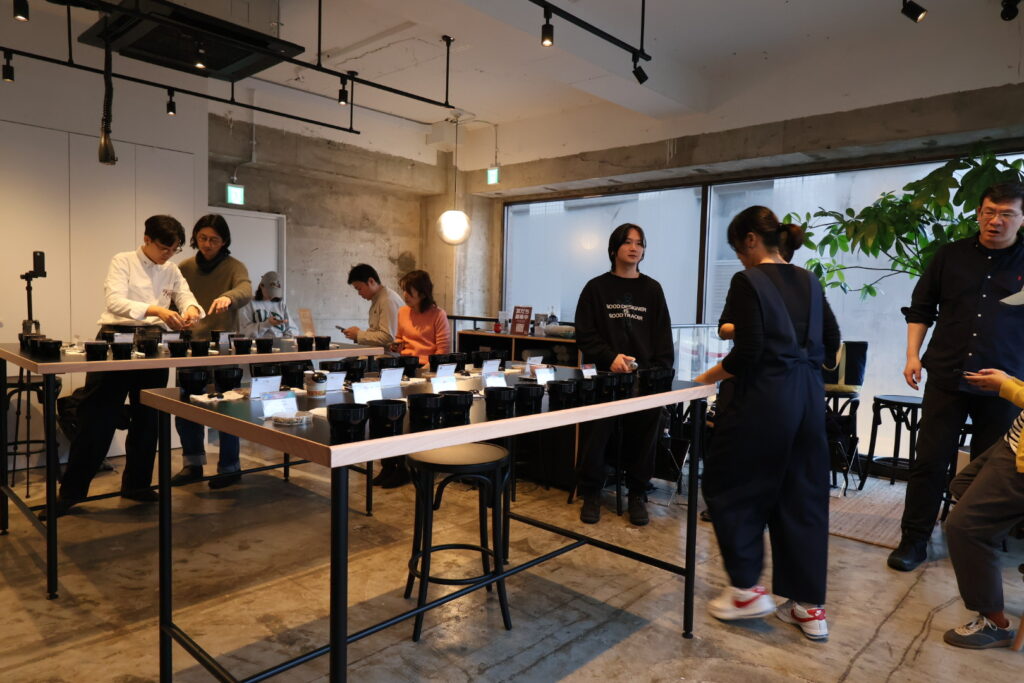
本次日本賽事由 Tasters Coffee JP 主辦,共有 114 位選手參賽,賽事採取 初賽、複賽、決賽三輪制,最終選出前三名。不同於我們在台灣多以分組取三分之一晉級的方式,本次日本賽事在初賽階段採取 統一評分後直接依分數排序取三分之一晉級。這樣的方式對評審團的穩定度與評分一致性要求極高,因此主辦方邀請的評審多為在日本具有豐富經驗與高度聲望的專業人士。
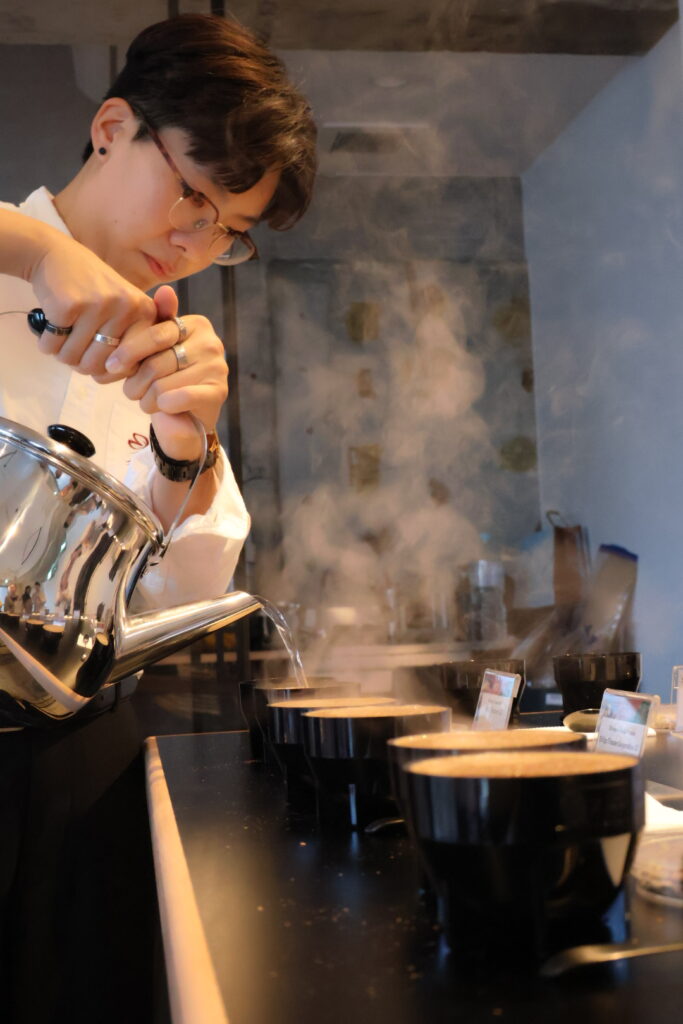
在實際評鑑過程中,我們也觀察到一個很值得思考的現象:即使評審團成員在三天內幾乎是同一批人,選手在 初賽、複賽、決賽之間仍然可能出現分數高低落差。這也讓我們更加理解,咖啡在運送、保存、包裝、甚至開封後的狀態,都可能影響最終的風味呈現。如何讓產品在整個流程中保持穩定與完整性,對選手而言其實是非常重要的一門功課。
另一方面,本次賽事也再次讓我們確認一件事情:
比賽並不應該與市場完全脫節。
在許多傳統實體賽事中,選手往往會為了比賽採取較極端或「暴力」的烘焙方式,以追求評審當下感官上的衝擊。但對於實際銷售的咖啡產品而言,這樣的烘焙策略未必具有長期的市場價值。相較之下,我們一直希望「Coffee Boom Boom Boom」的賽事能更貼近市場情境,讓選手的比賽作品同時也能成為真實消費市場中的產品。比賽的意義,應該是幫助我們調整與提升市場上的咖啡品質,而不是讓比賽與日常產品走向完全不同的方向。
此外,本次交流也讓我們再次感受到不同賽事形式的價值。
使用選手自己的烘焙設備,可以讓每位參賽者在熟悉的環境中發揮出最完整的實力;而傳統的現場烘焙賽事則考驗選手在陌生設備與現場壓力下的應變能力。兩種形式各有其存在意義,也為咖啡競賽提供了不同面向的挑戰。
最後,也特別要感謝 胡元正老師 在本次日本行程中的帶領與協助。老師不僅在賽事現場分享了許多寶貴的經驗,也願意在 今年六月於台灣舉行的世界賽決賽 中擔任 評審長(Head Judge),協助我們建立更完善且嚴謹的評鑑系統。對於整個賽事而言,這無疑是一項非常重要的支持。
每一次跨國交流,都是一次重新檢視自己系統的機會。
透過不同國家的賽事經驗,我們也持續思考如何讓評鑑制度更加完善、更加透明,也更能真正回饋給每一位努力精進烘焙技術的選手。
期待在 2026 年 6 月的世界賽決賽,與來自各地的烘焙師再次相聚。
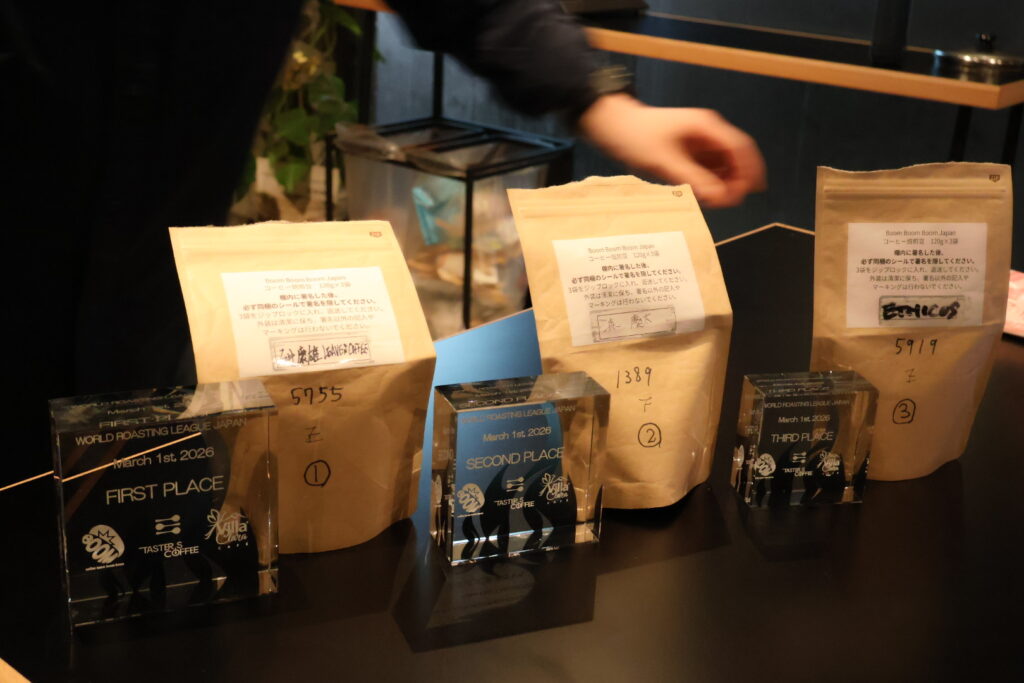
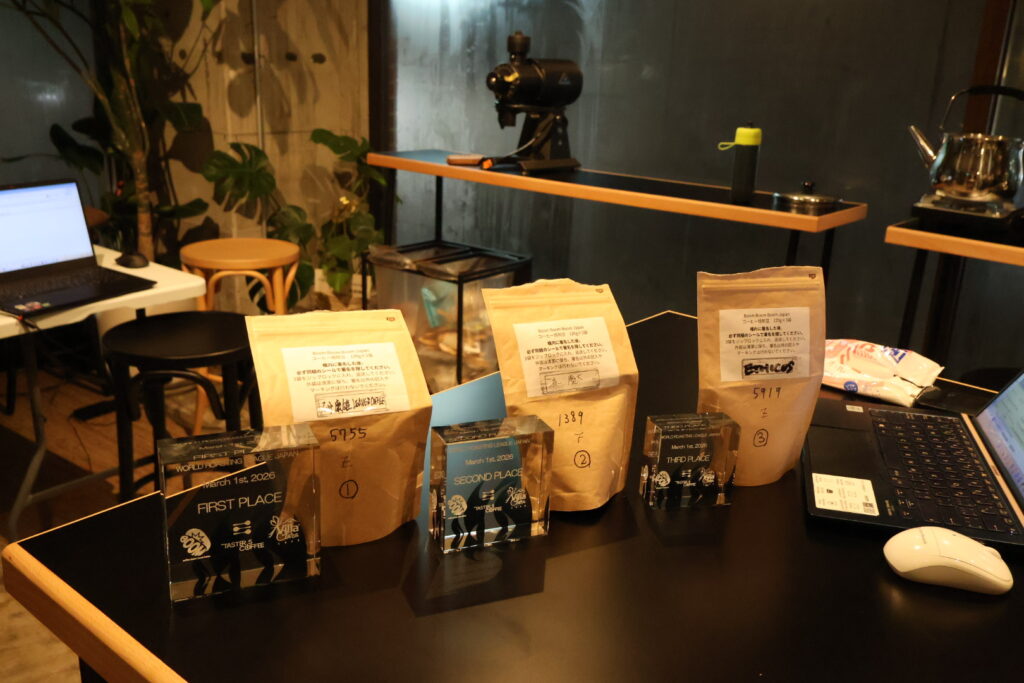
在此也再次恭喜本次賽事的前三名選手:
第一名|石井康雄
https://www.instagram.com/leaves_coffee_roasters/
第二名|森 慶太
https://www.instagram.com/cinemacoffeeroasters/
第三名|Ethicus
https://www.instagram.com/ethicus.jp/
Japan Exchange Notes | Observations and Learning from the Kobe Competition
During this trip to Kobe, Japan, we had the opportunity not only to participate in the evaluation process of a local roasting competition, but also to closely observe how competitions and judge calibration are conducted in Japan. For us, this journey was not merely about attending a competition, but rather a valuable learning experience.
The competition in Japan was organized by Tasters Coffee JP, with a total of 114 competitors participating. The event followed a three-stage format: Preliminary Round, Semi-final, and Final, ultimately selecting the top three competitors.
Unlike the system commonly used in Taiwan, where competitors advance by groups with the top one-third from each group progressing to the next round, the Japanese competition ranked all competitors together in the preliminary round and directly advanced the top one-third based on overall scores. This approach requires a very high level of stability and consistency from the judging panel. For this reason, most of the invited judges were highly respected professionals in Japan with extensive experience.
During the evaluation process, we also observed an interesting phenomenon worth reflecting on. Even though the judging panel remained largely the same throughout the three days, competitors could still experience noticeable score differences between the Preliminary Round, Semi-final, and Final. This further highlights how factors such as transportation, storage conditions, packaging, and even the condition of the coffee after opening can influence the final flavor presentation. Maintaining stability and integrity throughout the entire process is therefore an important challenge for competitors.
Another key insight from this event reaffirmed something we have always believed:
Competitions should not become disconnected from the real market.
In many traditional on-site competitions, competitors sometimes adopt extremely aggressive or “competition-focused” roasting styles to create a strong sensory impact for judges. However, such roasting approaches do not always translate well into products intended for real market sales.
In contrast, the philosophy behind Coffee Boom Boom Boom competitions has always been to stay closer to real market conditions. We believe that the coffees used in competition should also be products that can realistically be sold and enjoyed by consumers. The purpose of competition should be to help improve the quality of coffee available in the market, rather than creating a completely separate style that exists only for competitions.
This exchange also reminded us of the value of different competition formats. Allowing competitors to use their own roasting machines enables them to fully express their skills and achieve their best performance in a familiar environment. On the other hand, traditional on-site roasting competitions challenge competitors to adapt to unfamiliar equipment and conditions. Both formats have their own significance and bring different dimensions to coffee competitions.
Finally, we would like to express our sincere gratitude to Mr. Jake Hu for leading and supporting this trip to Japan. Throughout the event, he generously shared valuable insights and experiences. We are also honored that he has agreed to serve as the Head Judge for the World Final to be held in Taiwan this coming June, helping us further strengthen and refine the judging system of the competition. His support is truly invaluable for the event.
Every international exchange offers us a chance to reflect on and improve our own systems. By learning from competitions in different countries, we continue to explore how to make our evaluation framework more refined, more transparent, and more beneficial for every roaster striving to improve their craft.
We look forward to welcoming roasters from around the world again at the World Final in June 2026.
We would also like to once again congratulate the top three winners of this competition:
第一名|石井康雄
https://www.instagram.com/leaves_coffee_roasters/
第二名|森 慶太
https://www.instagram.com/cinemacoffeeroasters/
第三名|Ethicus
https://www.instagram.com/ethicus.jp/